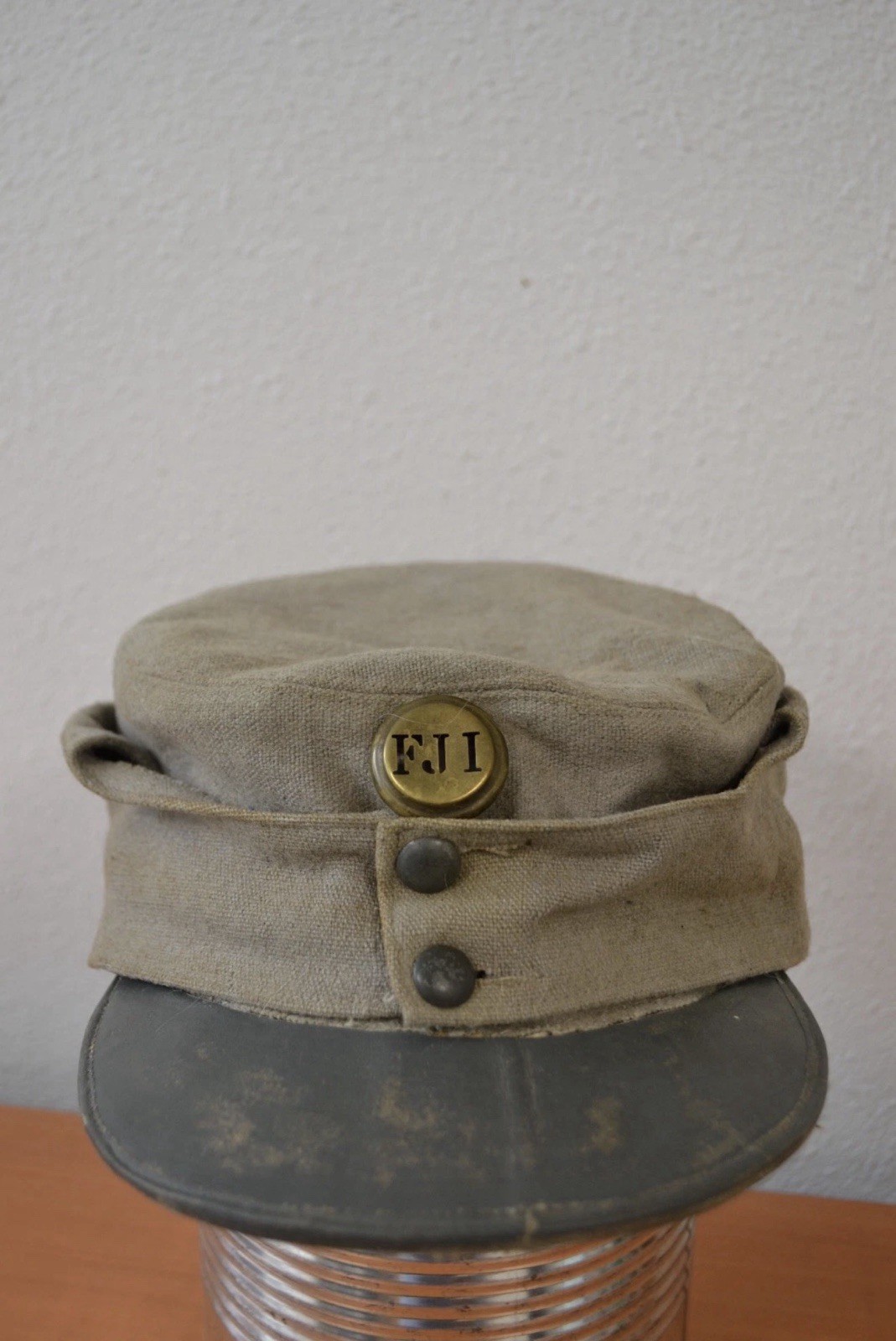
Scarce WW1 Austro-Hungarian Imperial Army Soldier M1908 Field Cap (1908-1916)

When you click on links to various merchants on this site and make a purchase, this can result in this site earning a commission. Affiliate programs and affiliations include, but are not limited to, the eBay Partner Network.

Scarce WW1 Austro-Hungarian Imperial Army Soldier M1908 Field Cap (1908-1916):
$1999.00
Scarce WW1 Austro-Hungarian Imperial And Royal Army Soldier M1908 Grey Field Cap (1908-1916)
1. Historical Identity & Model
- Official Nomenclature: Hechtgrau Feldkappe (Pike-Gray Field Cap).
- Regulation Model: M.1908 (introduced with the 1908 uniform reforms).
- Military Power: Austro-Hungarian Imperial and Royal Army (k.u.k. Armee).
- Production / Combat Era: 1908–1915 (the definitive combat headgear worn by troops at the outbreak of World War I in 1914).
2. Branch & Combat Role
- Branch Type: Infanterie (Line Infantry) or related frontline combat branches (such as Field Artillery, Foot Artillery, or Pioneers).
- Design Purpose: Pure combat utility. The soft, un-stiffened woolen design allowed the cap to be folded down, crumpled, or stuffed into a soldier's field pack (Tornister) without sustaining permanent structural damage.
- Weather Adaptability: Features fold-down side and rear flaps. In freezing temperatures, mud, or heavy rain, the two front buttons could be unfastened, allowing the flaps to lower and completely cover the soldier's ears and neck.
3. Rank & Grade Indicators
- Rank Category: Enlisted Man / Non-Commissioned Officer (NCO). Worn by all ranks from a private (Infanterist) up to a sergeant (Zugsführer).
- The Material Indicators: * Simple stamped brass, tombac, or zinc front cap button rather than expensive officer bullion wire.
• Standard issue grey/khaki linen or coarse canvas interior lining rather than silk or satin.
• Universal metal ventilation grommets stamped into the sides to allow airflow during strenuous marching.
4. Anatomy of the Insignia
- The Sovereign's Cipher: The front button features a raised, stamped imperial monogram "FJI" for Emperor Franz Joseph I (Franz Joseph Imperator), who ruled until his death in 1916.
- The Visor (Schirm): A soft, flexible visor covered in the same pike-gray wool cloth or treated flexible linen/leather, keeping it fully pliable for field operations.
5. Color & Rarity Context
- The Color Code: Hechtgrau (Pike-Gray). This distinct blue-gray shade was a short-lived camouFlage experiment. By 1915, it proved too visible in the mud of the Eastern Front and the rocky trenches of the Italian Isonzo Front.
- Transition: The army phased out Hechtgrau in 1915/1916 in favor of the much darker Feldgrau (Field-Gray). Because of this short window of use, true Hechtgrau combat caps are significantly rarer and much more heavily sought-after by WWI collectors today than the later field-gray variants.
[🐨
Scarce WW1 Austro-Hungarian Imperial Army Soldier M1908 Field Cap (1908-1916):
$1999.00
Related Items:
Scarce WW1 Australian Army Warrant Officer P1902 Khaki Field Service Tunic 1918
$2999.00
Scarce WW1 Austro-Hungarian Imperial Army Soldier M1908 Field Cap (1908-1916)
$1999.00
WW1 Webley MkVI Pritchard Greener Pistol Bayonet .455 British scarce
$2000.00